
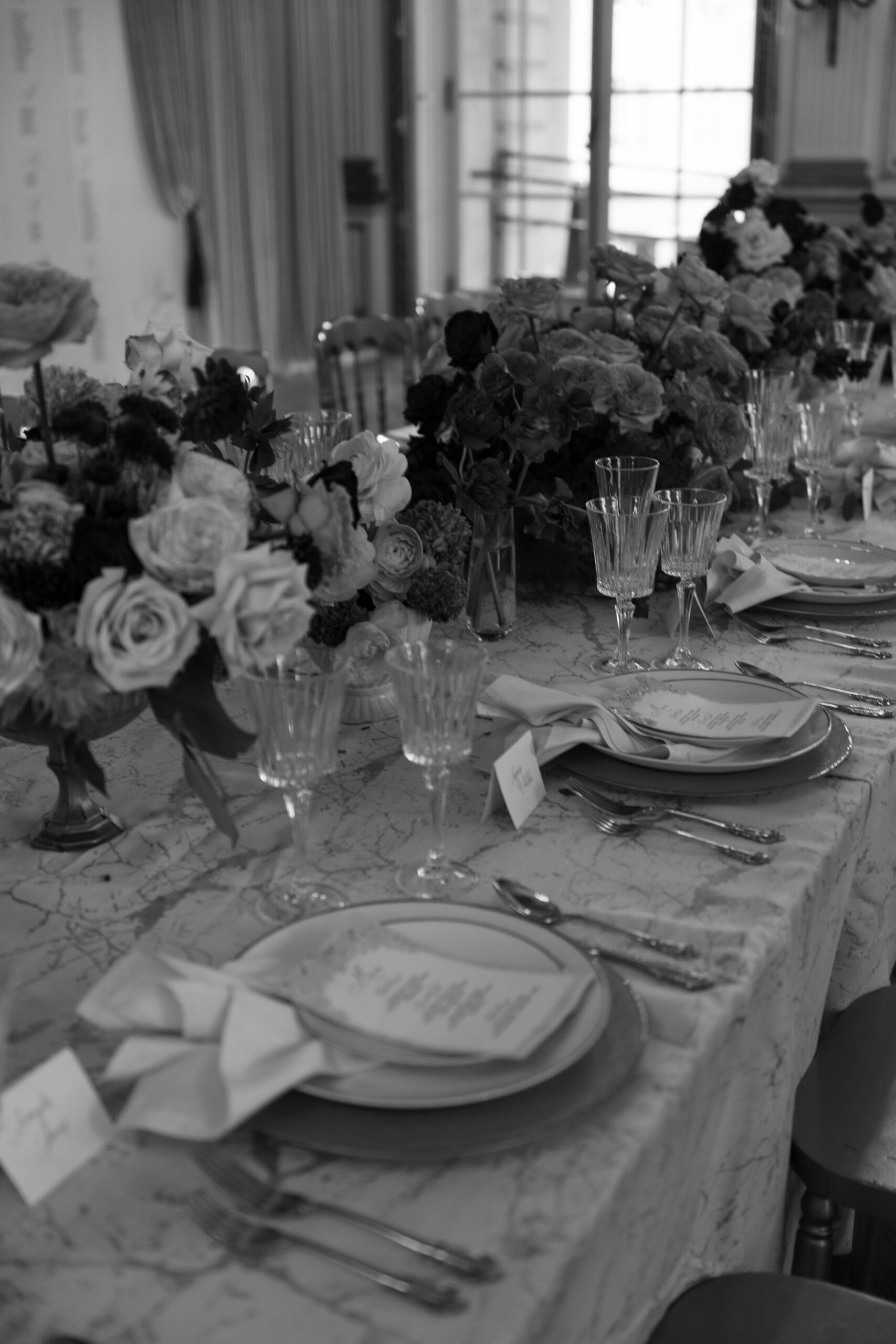
You’ll spend months choosing linens, florals, and place settings, so you’ll want them to look as good in photos as they do in person. After photographing a lot of reception rooms, I’ve noticed which choices tend to come through well and which ones don’t. Here are the ideas I’d pass along to any couple planning their tables.
Choose Texture Over Shine
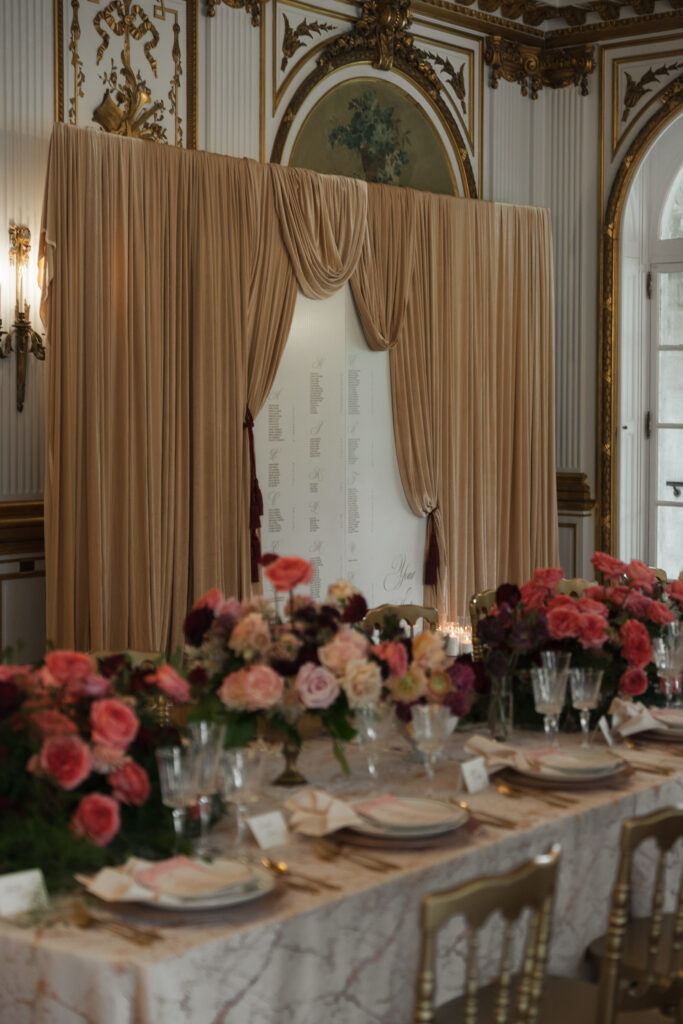
Matte, textured linens usually photograph better than shiny ones. Linen, cotton, velvet, and heavy-weight napkins add depth, while satin and other glossy fabrics can catch the light in unpredictable ways and show every wrinkle. If you love a sleek look, ask your rental company for a sample so you can see how it behaves in the room’s lighting.
Keep Your Palette Tight
A smaller palette makes a table feel intentional. Two or three colors, with one contrast, usually reads better than five competing ones. Muted, neutral palettes tend to look rich on camera, and a single accent color, like a deeper green or a warm rust, gives the eye somewhere to land.
Vary the Heights
A flat table is harder to photograph. Mixing heights, like a low floral arrangement, taller candlesticks, and a few small bud vases, gives the table depth and gives me more to work with. Just keep tall centerpieces either well above eye level or low enough that guests can still see each other. Anything in the middle blocks conversation and blocks the camera.
Use Candlelight
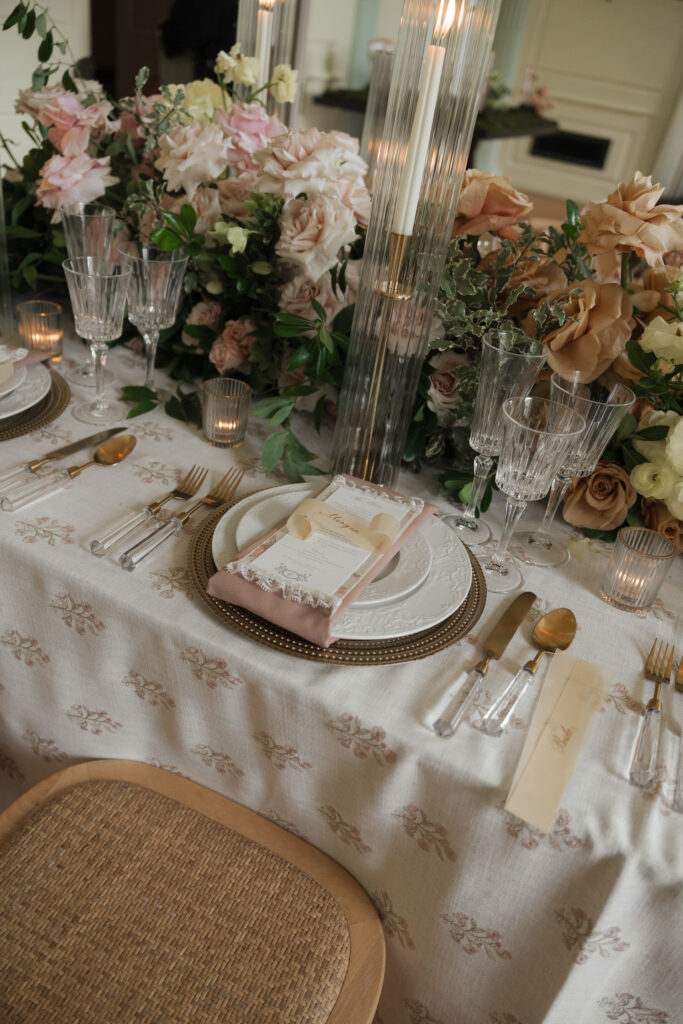
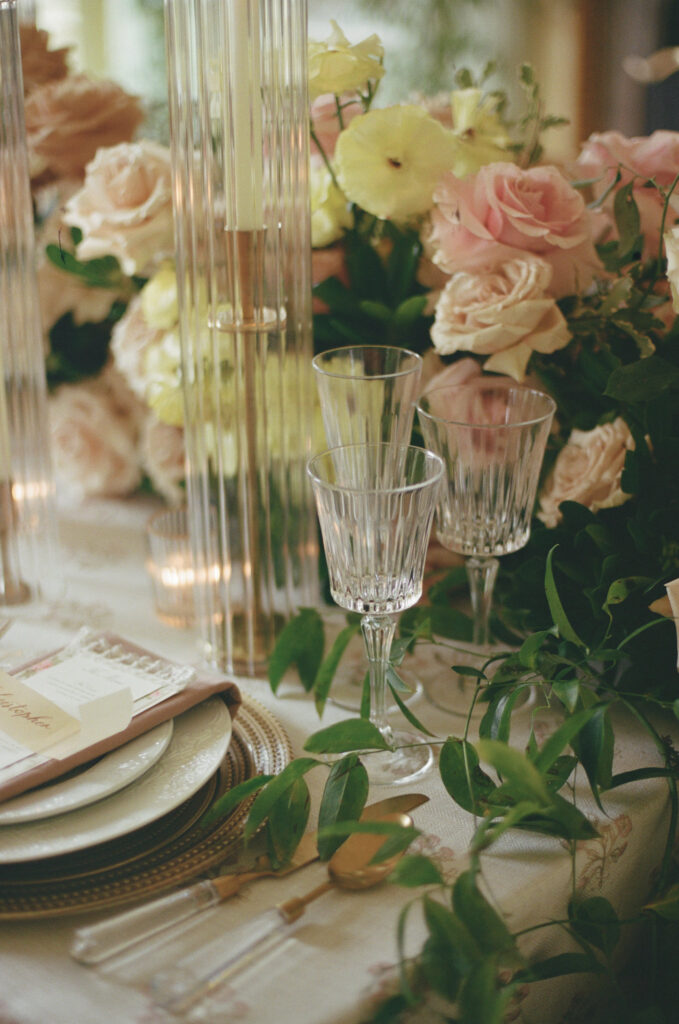
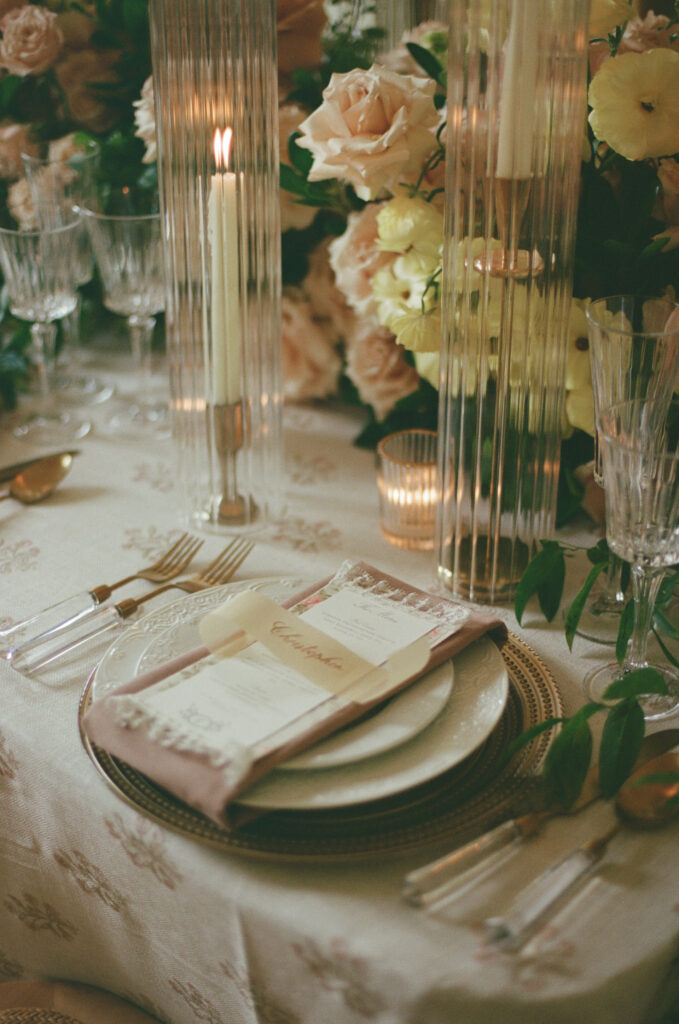
Candles are one of the easiest ways to make a table look good. A mix of tapers and votives adds warmth and shows well in photos, especially in the evening. Check your venue’s rules first, since some don’t allow open flames, and have a backup like flameless candles if so.
Make the Place Setting Count
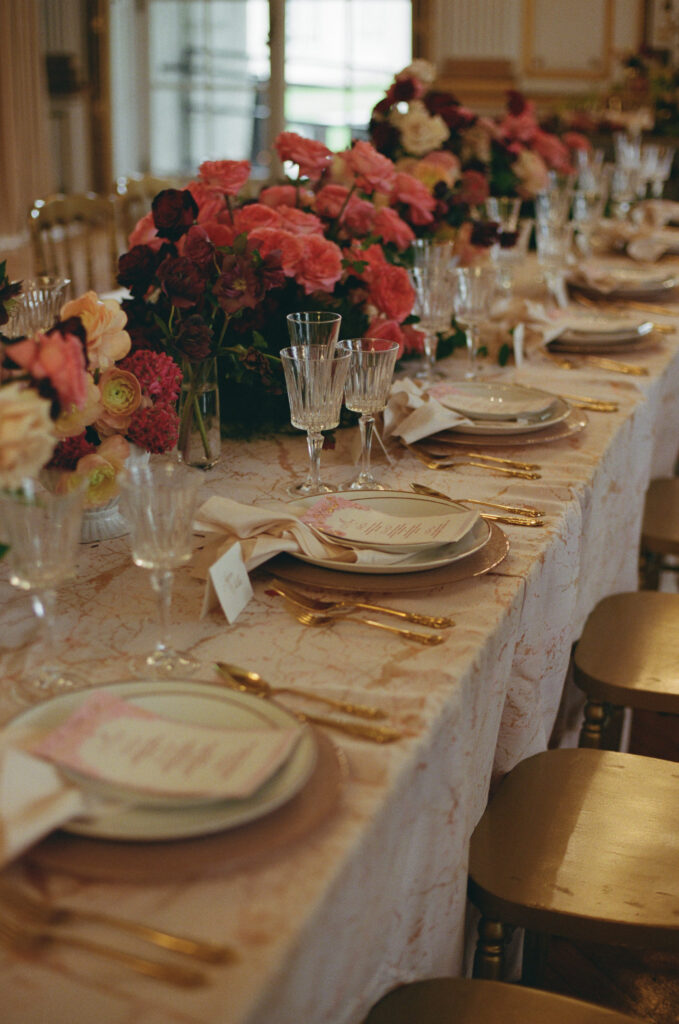
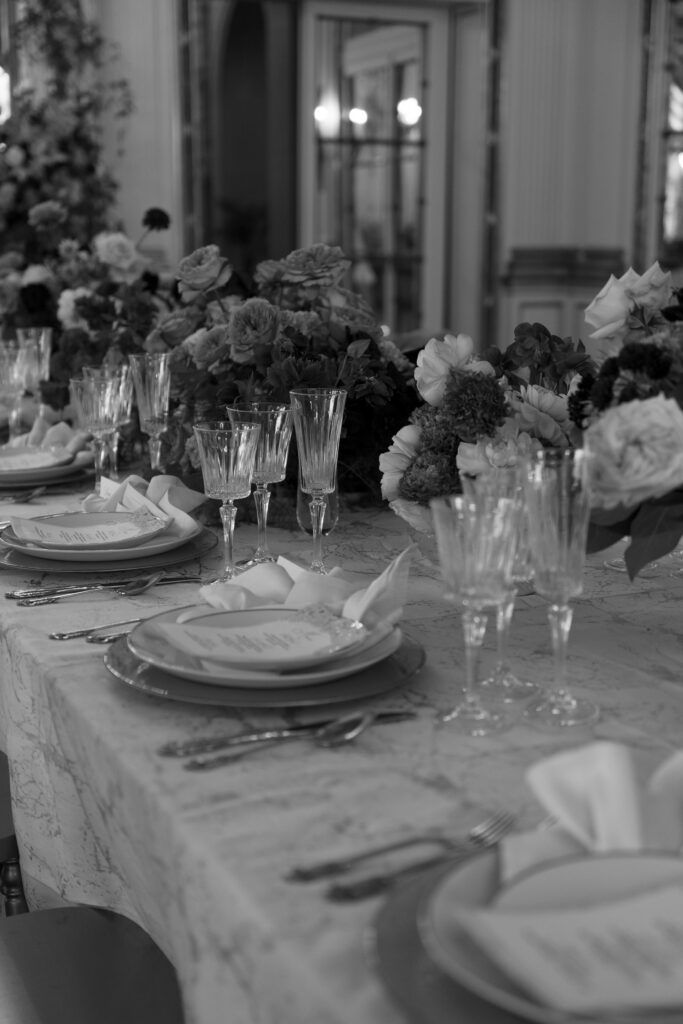
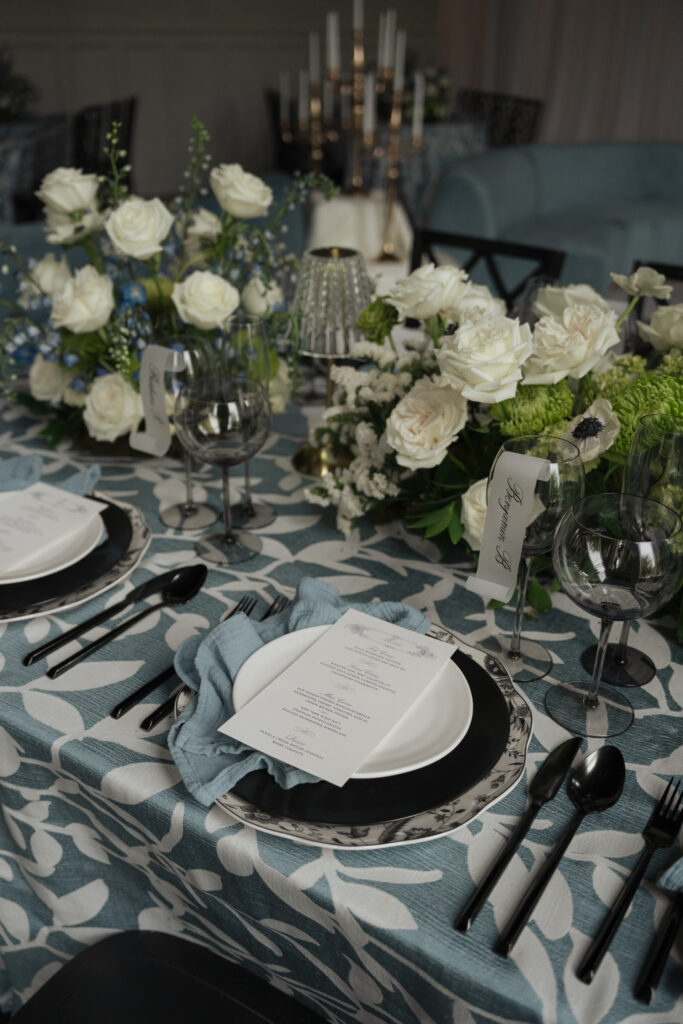
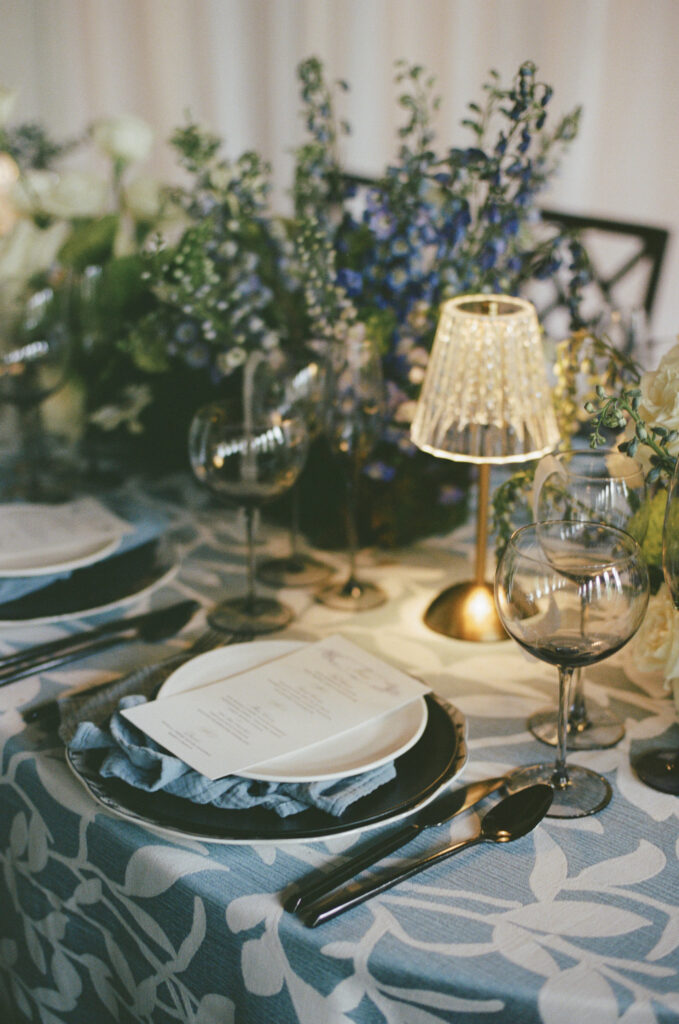
The place setting is where guests spend the most time looking, so it’s worth giving it some attention. A menu card, a name card, a napkin with a small detail, and good glassware all add up. I’d rather see three thoughtful pieces on a plate than ten crowded together.
Think About the Whole Table, Not Just the Centerpiece
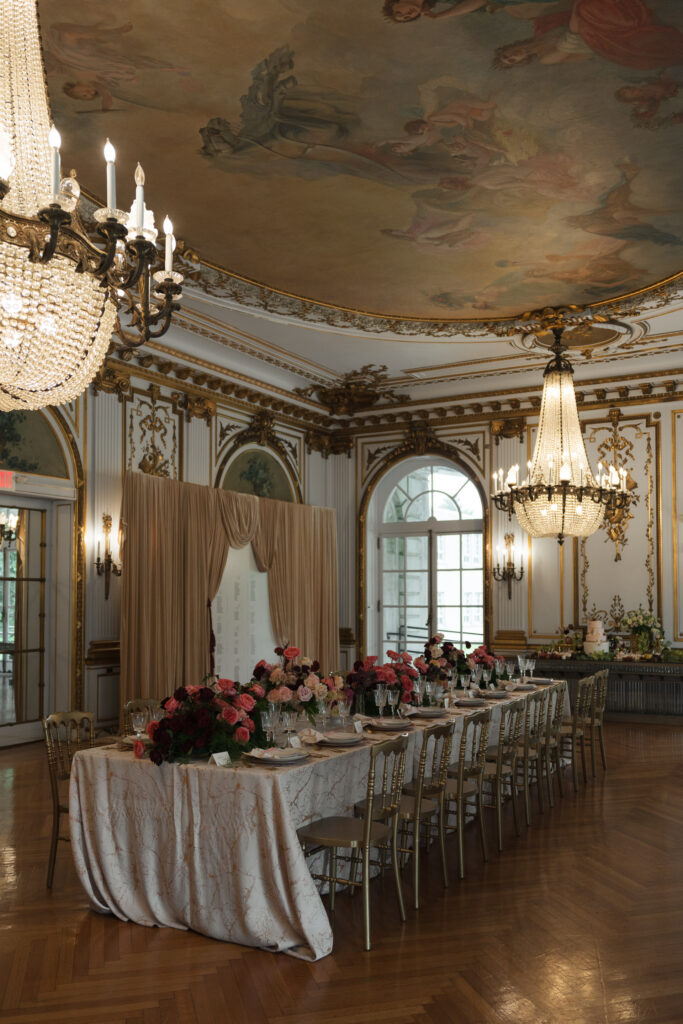
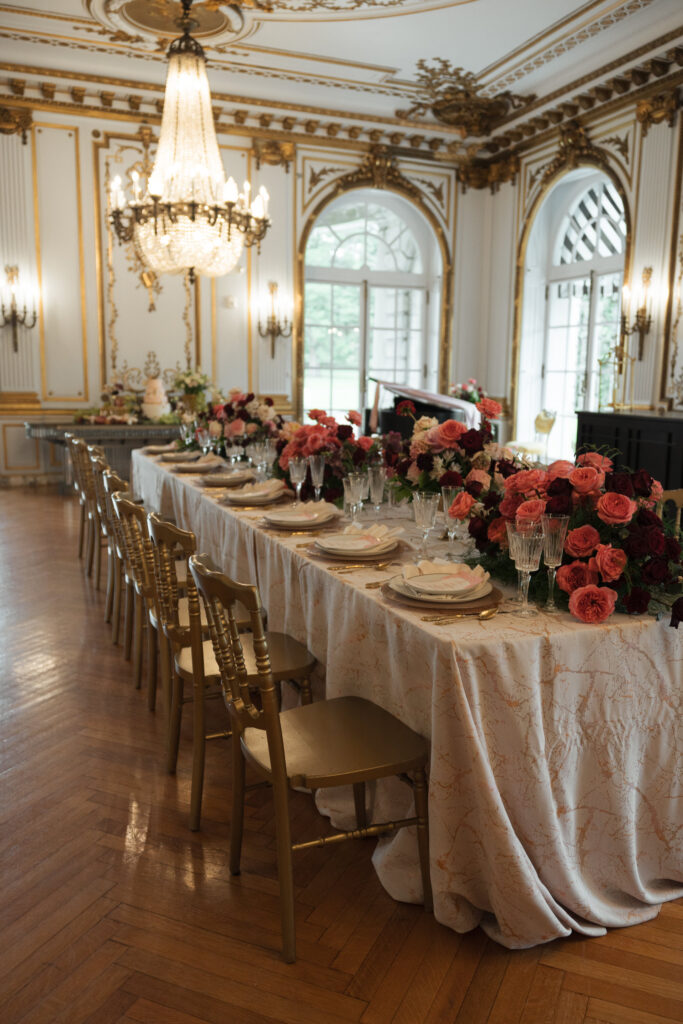
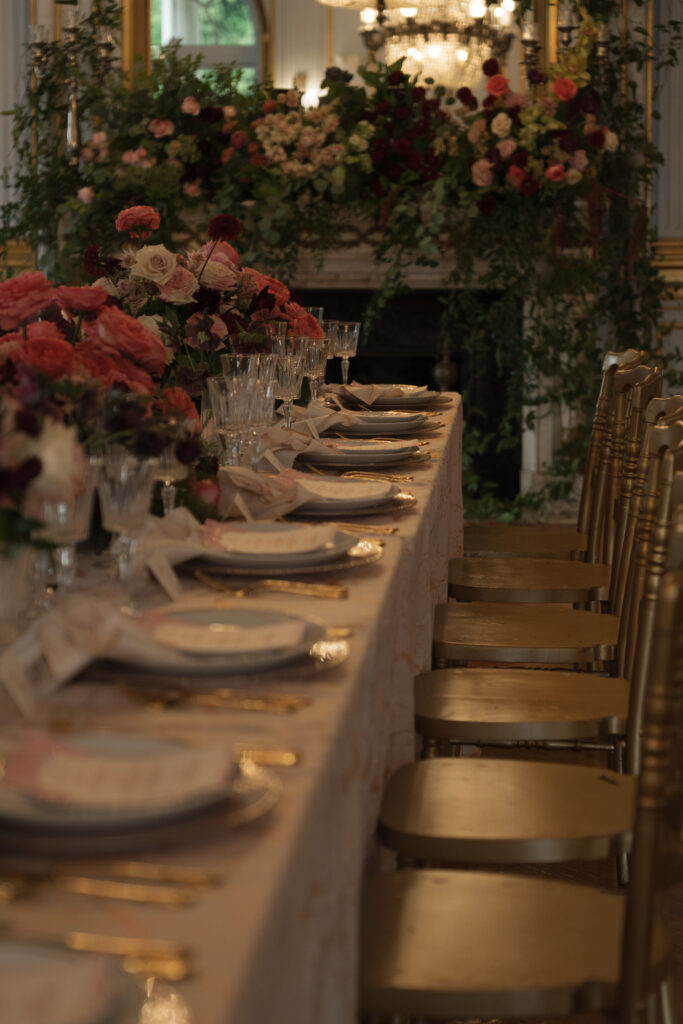
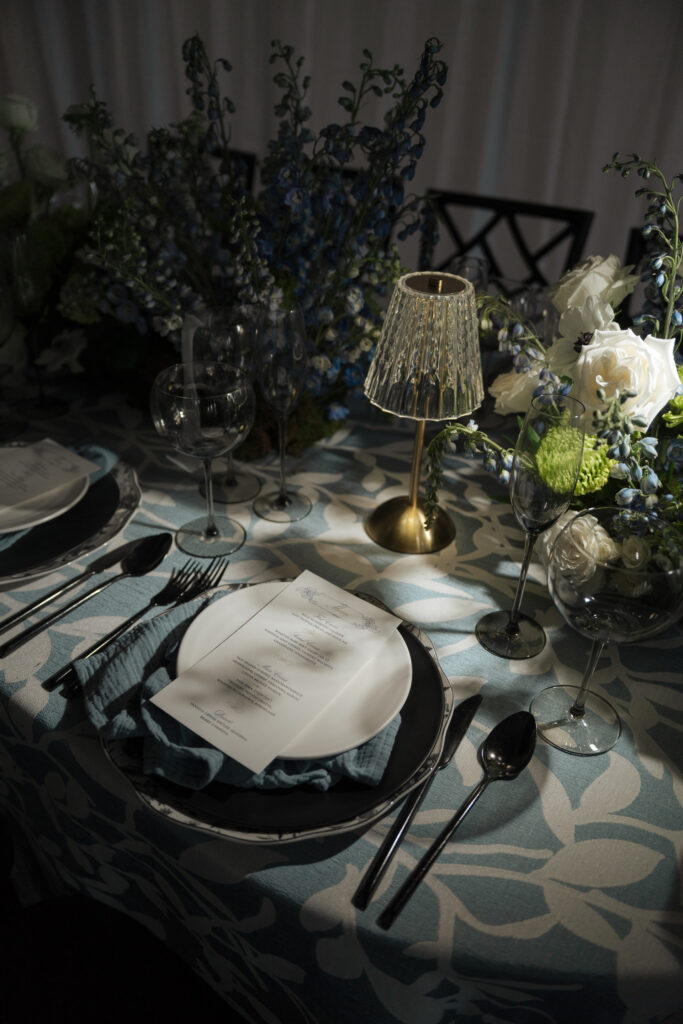
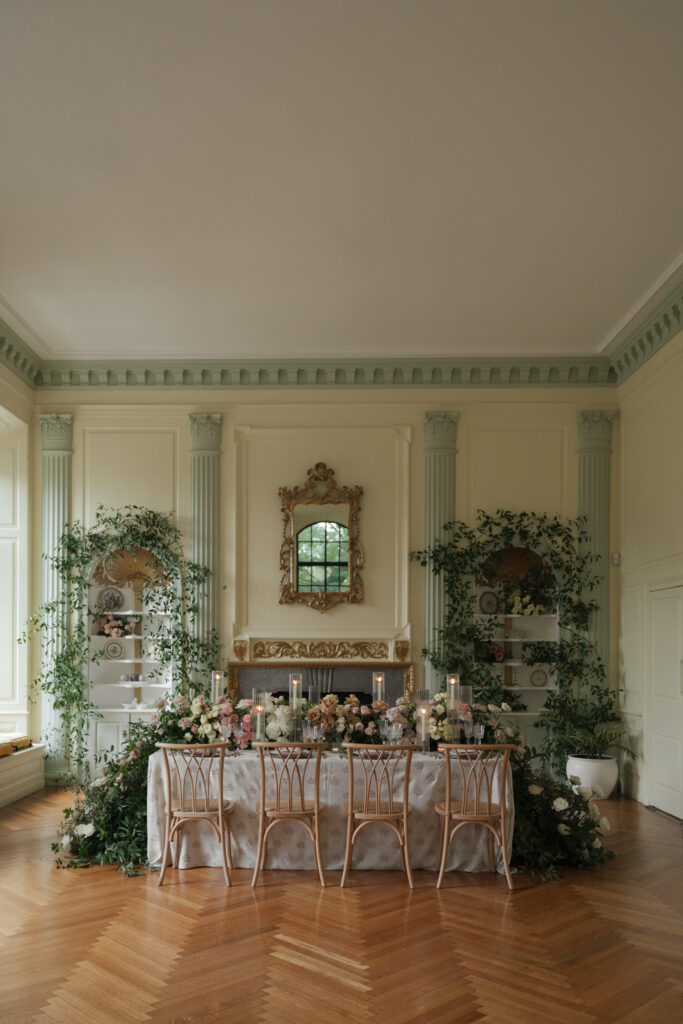
A table looks best when everything fits together: the linens, the flowers, the stationery, the glassware, and the chairs. When I photograph tables, I’m usually shooting both the whole setting and close-ups of the details. If everything shares a color, a material, or a style, both views hold up.
Plan for Light
Where the table sits matters. Tables near windows or under soft lighting photograph well. Tables under harsh overhead light or in dark corners are harder. If you’re touring a venue, look at the room at the time your reception will actually happen, and ask how the lighting can be adjusted.
Make Sure Tables Are Ready Early
This is a practical one. Details photos work best when the tables are fully set before guests walk in. Ask your planner or venue to have everything finished with enough time for me to photograph the room, usually 20 to 30 minutes. If tables are still being set while guests arrive, there’s less I can do.



be the first to comment